Quick answer. Under the FIG Women's Artistic Gymnastics Code of Points 2025–2028, a gymnast competes in a non-transparent leotard or unitard of elegant design. The neckline can go no lower than half the sternum in front and the lower line of the shoulder blades in back, sleeveless straps must be at least 2 cm wide, and the leg cut can't go above the hip bone. Only one pair of stud earrings is allowed. Each attire violation costs −0.30; non-identical leotards within a team cost −1.00.
Artistic Gymnastics Leotards: History, FIG 2025–2028 Rules, and What They Really Cost
The routine is what everyone sees. The thousands of repetitions behind it stay off camera.
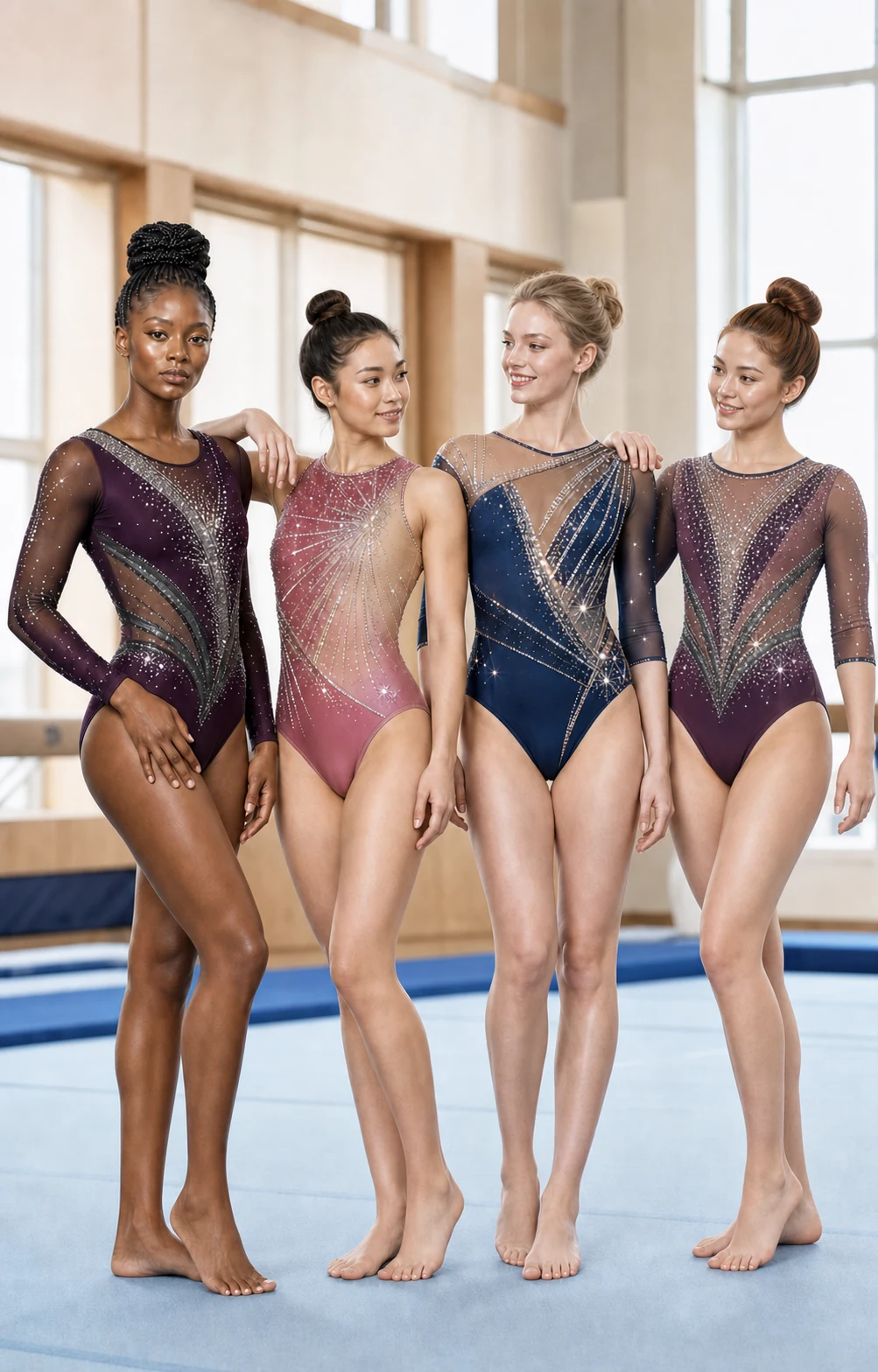
On TV, the U.S. women walk out at the Olympics in leotards covered in ten thousand crystals. On a Saturday morning at a club meet, a ten-year-old warms up on beam in a leotard her mom ordered three weeks ago — and checks the straps one more time.
Both leotards answer to the same idea: the judges have to see the body clearly, and nothing on it can get in the way. At the elite level, that idea is written down in very specific numbers.
What Artistic Gymnastics Is — and Where the Leotard Fits
Artistic gymnastics is the Olympic discipline built on apparatus. Women compete on vault, uneven bars, balance beam and floor; men on floor, pommel horse, rings, vault, parallel bars and high bar. Men's gymnastics has been on the Olympic program since 1896. Women first competed in 1928 in Amsterdam — in the team event only — and individual women's events arrived at the 1952 Games in Helsinki.
Every routine gets two scores. The D-panel scores difficulty — the value of the elements and the connections between them. The E-panel scores execution, and on beam and floor it also takes artistry deductions for things like posture, musicality and expression.
Attire sits in a separate place: the rules on the gymnast's conduct and appearance. A leotard problem isn't an artistry call. It's a fixed administrative deduction, taken by the Chair of the Superior Jury after the D-panel flags it.
Floor and beam routines are both capped at 90 seconds. Bars and vault aren't timed — judges assess the technique of the routine or the single vault, not its length.
How the Gymnastics Leotard Evolved: From a Circus Costume to a $3,000 Leotard
The name comes from a trapeze artist, not a swimmer. The word "leotard" honors Jules Léotard (1838–1870), the French acrobat who invented the flying trapeze act. He performed in a close-fitting one-piece garment he called a *maillot*. The garment took his name after his death — and it's the direct ancestor of the modern gymnastics leotard.
1928–1950s: gymnastics goes Olympic, the leotard stays plain. When women's gymnastics joined the Olympics, sportswear had no stretch fabrics to offer. Leotards were made of heavy knits that didn't hold their shape well, and decoration was minimal — usually little more than a national emblem.
Late 1950s–1970s: spandex changes the fit. In 1958, DuPont chemist Joseph Shivers developed the elastic fiber that went on sale as Lycra — what Americans call spandex. Over the following decades it replaced cotton knits in sportswear. Leotards fit closer, kept their shape and stopped bagging out, which mattered directly for judging body lines and angles.
1990s–2000s: the first sparkle. In the 1990s, crush velvet and metallic foils showed up on the competition floor, and crystals were still applied by hand — one coach famously glued them onto Shannon Miller's leotards one by one. By the early 2000s, rhinestones had become a standard part of competition leotard design. Artistic gymnastics used them with restraint: the rules never added a skirt, and jewelry stayed limited to a single pair of stud earrings. Decoration became possible, but cut and fit still mattered more than crystal count.
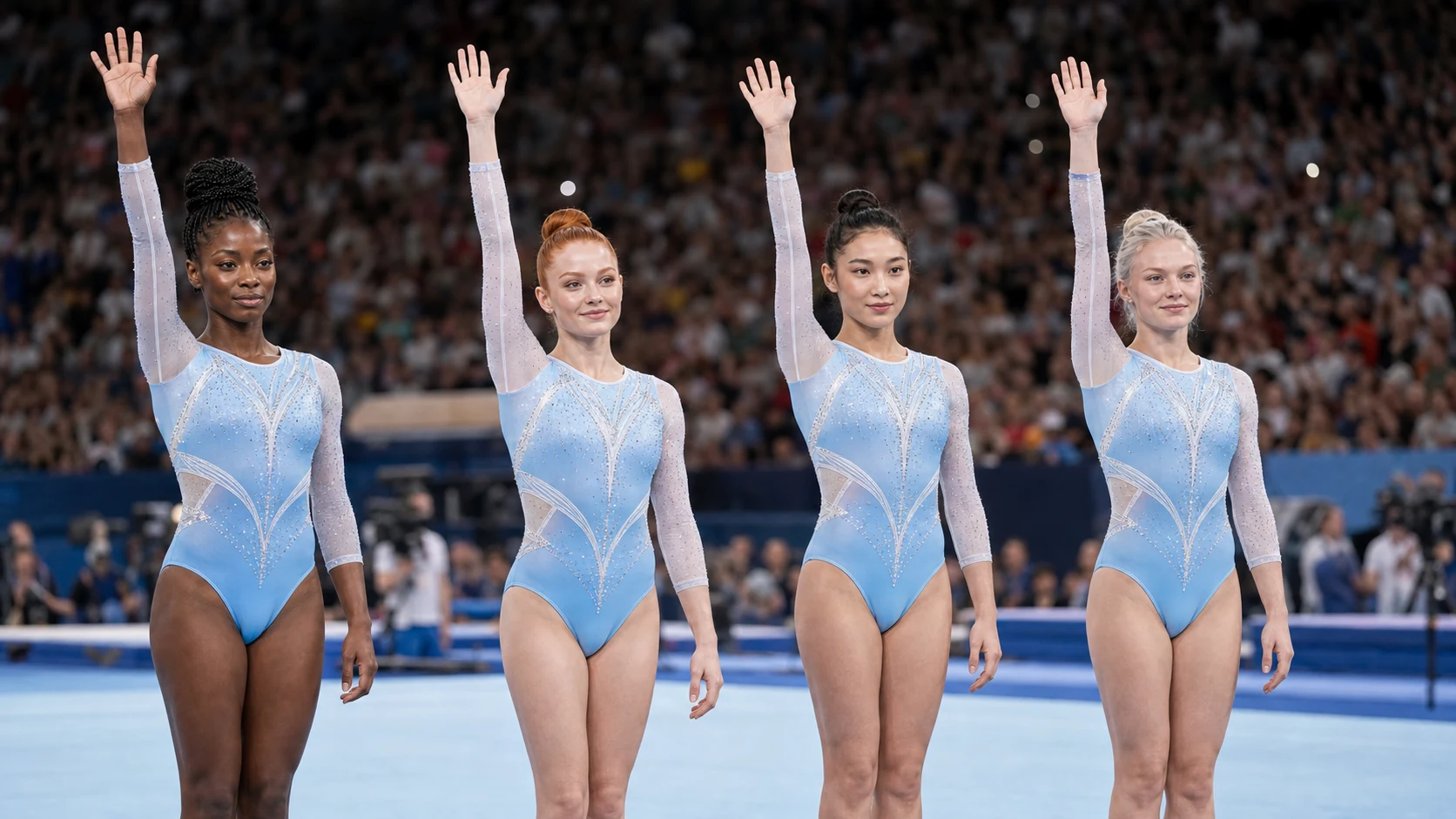
Today: the leotard as part of the team's image. The clearest example is Team USA in Paris 2024. GK Elite spent two years developing the collection and created eight designs for the five-woman team, carrying more than 47,000 Swarovski crystals between them — with some crystals applied by hand at the company's Pennsylvania factory. Each leotard cost around $3,000, making them the most expensive leotards Team USA had worn at an Olympics. "Go for Glory," the team final design, paid homage to the leotard of the 1996 "Magnificent Seven" and carried 9,929 crystals — weighing nearly a pound. "Luminous Legacy," with more than 10,000 crystals, was saved for the finals.
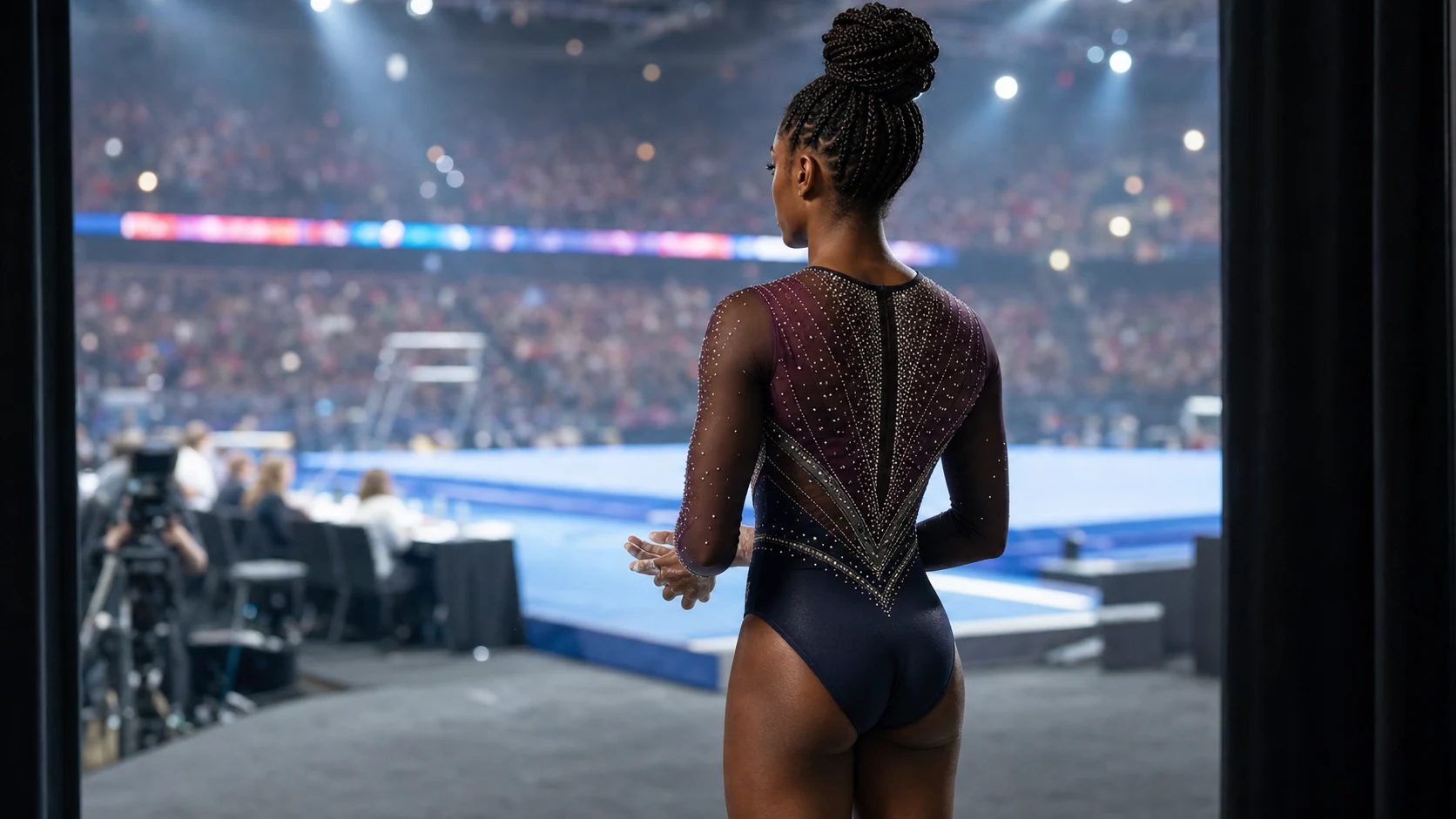
FIG 2025–2028 Rules: What Gets Checked Before the Routine
The current requirements are in the FIG Women's Artistic Gymnastics Code of Points 2025–2028, in the section on competition attire. The official document is published on the International Gymnastics Federation website, along with a direct link to the WAG Code of Points PDF.
One note for anyone sewing for club gymnasts: in the U.S., USA Gymnastics' Development Program and Xcel have their own rulebooks. The FIG rules below are the elite and international standard — for a Level 7 or Xcel Gold meet, check the current USA Gymnastics rules for that program.
FIG Leotard Rules at a Glance
| Element | Allowed? |
|---|---|
| Sleeveless leotard with straps narrower than 2 cm | No |
| Skirt | No — not part of the attire rules |
| Full-length unitard | Yes |
| One pair of stud earrings | Yes |
| Bracelets, necklaces, other jewelry | No |
| Compression sleeves or compression socks | No |
The Leotard Itself
A gymnast competes in a proper, non-transparent leotard or unitard (a one-piece from neck to ankle) of elegant design. Full-length leg coverings are allowed, worn under or over the leotard.
Neckline: no lower than half the sternum in front, and no lower than the lower line of the shoulder blades in back.
Sleeves and straps: sleeves can be any length, or none. A sleeveless leotard needs shoulder straps at least 2 cm wide.
Leg cut and leg length: the leg cut can't go above the hip bone. And the leg can't go the other way either: it may not extend more than 2 cm below the base of the buttocks — so no shorts-style legs on a leotard. Full leg coverage is what the unitard is for.
Skirts
Skirts simply aren't part of women's artistic gymnastics attire. Gymnasts compete in a leotard or unitard — nothing gathered at the waist that could hide the line of the hips.
Feet
Bare feet, gymnastics slippers and socks are all allowed — the gymnast's choice.
Start Number, Emblem and Advertising
The gymnast must wear the start number (bib) issued by the organizers, so the leotard needs a practical place to attach it. National identification — a flag, the country's name or its FIG abbreviation — is required too, and any advertising or sponsor marks have to follow the current FIG rules on competition clothing and advertising.
Members of the same team must wear identical leotards in the team competition. In individual events, gymnasts from the same federation can wear different leotards.
Jewelry, Bandages and Support Gear
One pair of stud earrings is the only jewelry allowed — one earring per ear. Other piercings have to come out; covering them with tape doesn't count.
Handguards, wrist wraps, bandages and support pads are allowed, as long as they're secure, in good condition and don't spoil the look of the routine — beige or skin-tone where that option exists. Compression sleeves and compression socks are not allowed in competition.
Hair and Makeup
Makeup has to stay modest. Face painting or theatrical makeup that turns the gymnast into a character isn't allowed.
Deductions for Attire Violations
| Violation | Deduction |
|---|---|
| Incorrect attire, jewelry or bandage color | −0.30 |
| Missing or incorrect start number | −0.30 |
| Missing or incorrectly placed national identification | −0.30 |
| Non-identical leotards within a team | −1.00 (team) |
| Advertising that breaks FIG clothing rules | Per FIG advertising rules |
An attire deduction is taken once, from the score on the apparatus where the violation is first spotted, by the Chair of the Superior Jury after the D-panel flags it. It's an administrative penalty — not a judgment about artistry.
A leotard has to work with the body: hold its fit, never restrict movement, and carry the look of the routine.
What a Competition Leotard Really Costs
With no skirt and almost no jewelry allowed, decoration isn't what drives the price in artistic gymnastics. Cut and fit come first.
Fabric. Competition leotards are made from stretch knits — mostly nylon-spandex, often with foil, velvet or mesh panels. The fabric has to hold its shape so judges can read the body on the apparatus: a pike, an arch, the angle at the shoulder.
Decoration. Crystals, appliqués and contrast panels are allowed, and at the elite level they're lavish. But even Team USA's $3,000 leotards are built on their cut and silhouette first — the crystals follow the lines, they don't replace them.
How many you need. One competition leotard usually covers all four apparatus at a meet — vault, bars, beam and floor. A second one is useful for training or as a backup.
Team orders. Teammates must wear identical leotards in the team competition, so a club order means one design, several sizes, and accurate measurements for every gymnast. If you're thinking about sewing for gymnastics teams, this is where competition costume work for clubs becomes a business in its own right.
A Pattern Made to Your Measurements — Where the Right Fit Starts
An artistic gymnastics leotard hides nothing. Judges and coaches see the whole line of the body in every position on every apparatus, and a bad fit reads instantly: a wrinkle at the hip or a slipping strap shows on beam and bars alike. It's the same reason fit matters so much in rhythmic gymnastics leotards.
With AROA, it takes a few minutes: enter the gymnast's measurements and get a ready-to-use digital pattern built for that body, with the neckline depth and strap width you choose. Print it straight away, or open it in a graphics or CAD program and keep working on the design — for example, develop the back from a single photo.
Build your pattern in AROA and get a ready-made base to work from.
Create a pattern from your measurements →
Rhythmic Gymnastics Leotards: History, FIG 2025–2028 Rules, and How Much They Really Cost

Figure Skating Costume Rules: What the ISU Allows, What Costs Points, and How We Got Here

Artistic Swimming Suits: History, World Aquatics Rules, and Why the Theme Comes First
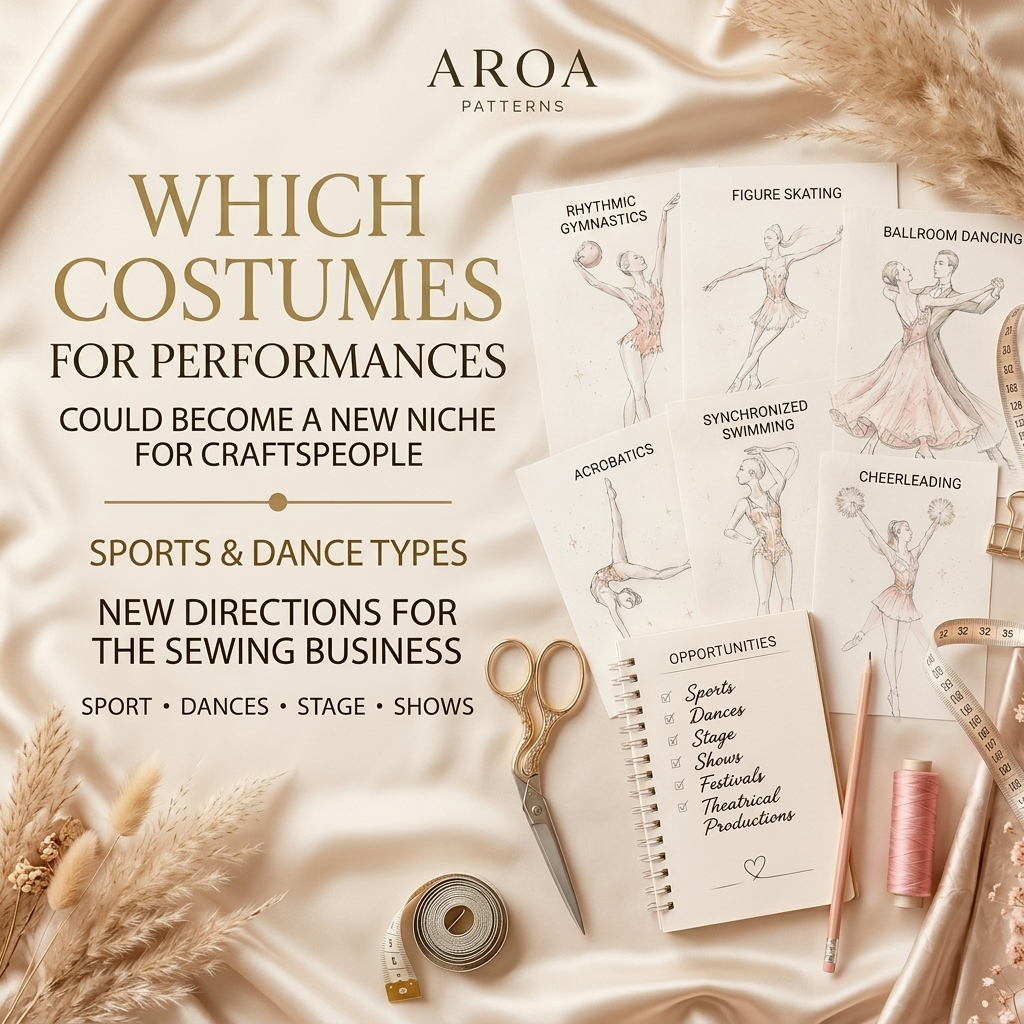
Competition Costume Niches
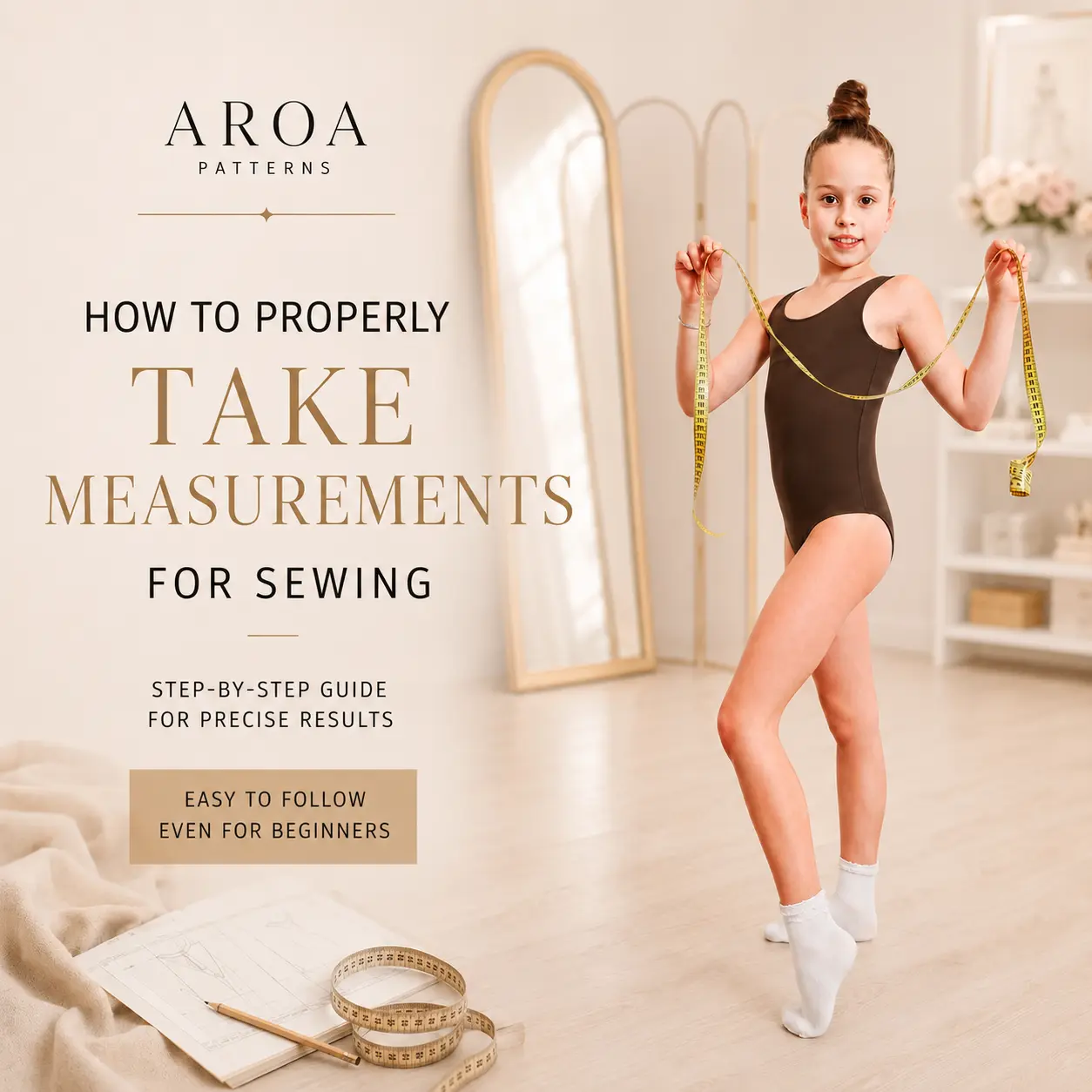
How to Measure for a Leotard

Your First Pattern — Free
Rhythmic Gymnastics Leotards: History, FIG 2025–2028 Rules, and How Much They Really Cost
Figure Skating Costume Rules: What the ISU Allows, What Costs Points, and How We Got Here
Artistic Swimming Suits: History, World Aquatics Rules, and Why the Theme Comes First
Competition Costume Niches
How to Measure for a Leotard