My Story
I wasn't looking for an idea.
The idea found me in a sports hall.
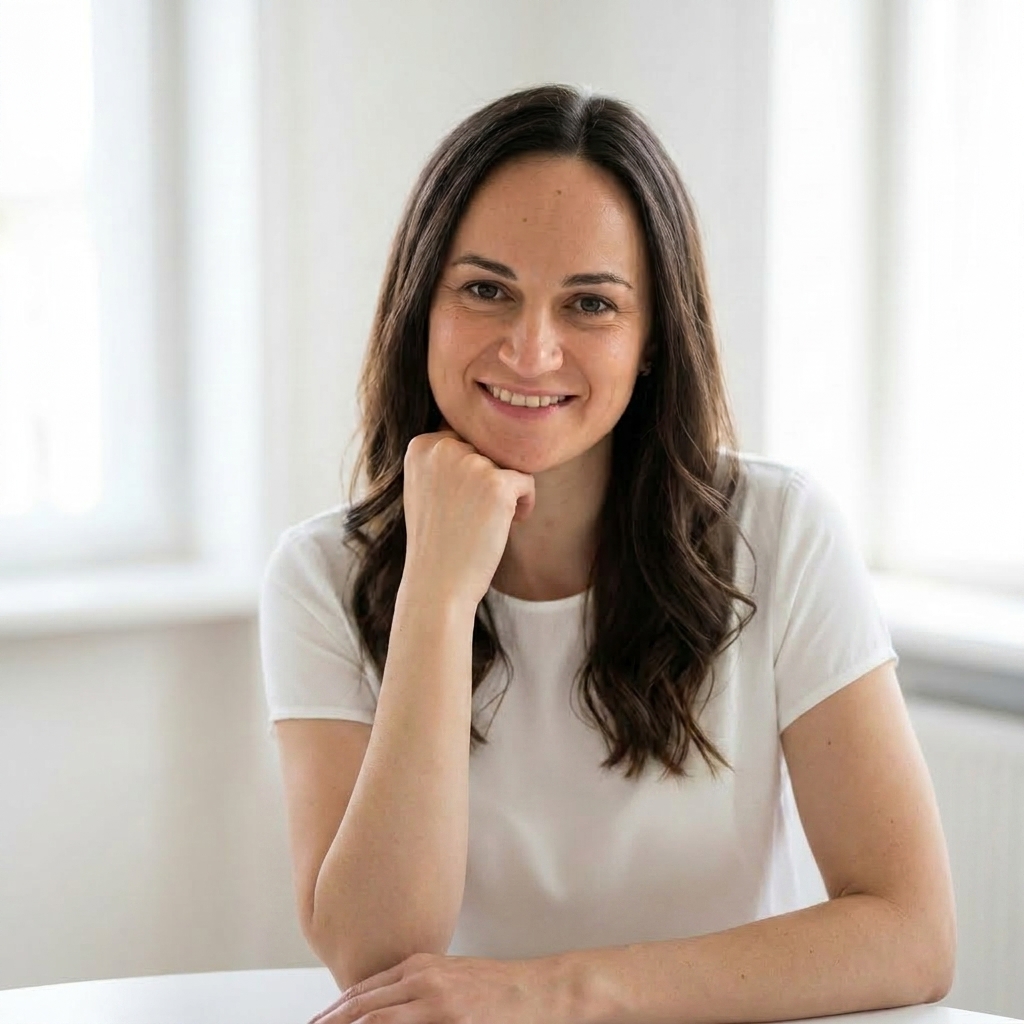
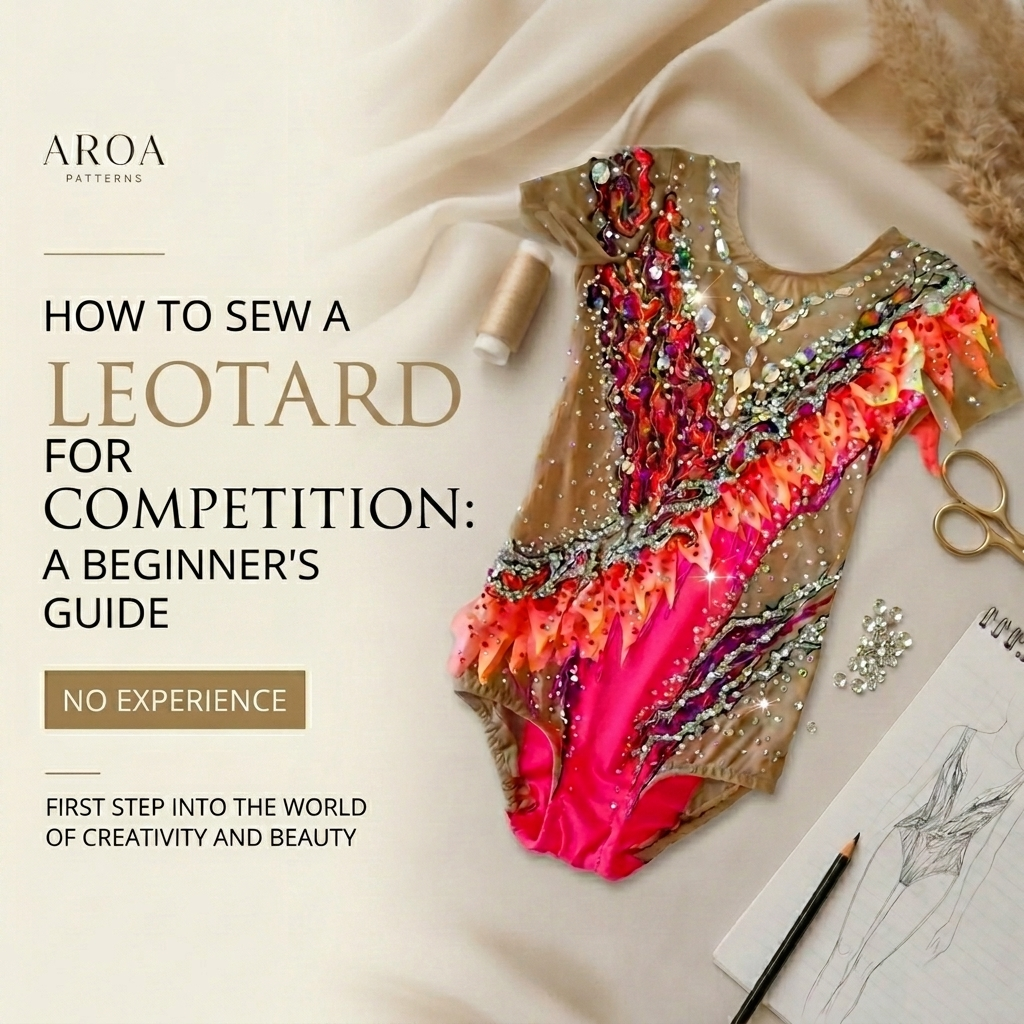
I first thought about sewing competition costumes purely by chance. Our group had been handed down a set of team costumes for our girls — passed on by an older group whose girls had outgrown them, just as we were getting ready for our first competition.
My daughter was always very petite, and even the smallest costume in that set practically swallowed her whole.
These were our first costumes. Our first competition. Our first taste of any of this. We didn't have much choice — out of everything on offer, these were the brightest. They were also the most expensive.
The design, honestly, wasn't great. That's not a knock on the seamstress who made them — I understand now just how much work goes into a piece like that. I simply didn't love that particular style.
There was no time to sew new ones — the competition was right around the corner. And at that point, we were only just stepping into this whole world of sport. The girls were 3.5 to 4 years old, these were their first team costumes, and investing straight away in custom-made pieces didn't feel entirely sensible. Nobody knew yet how serious this would all become, or for how long.
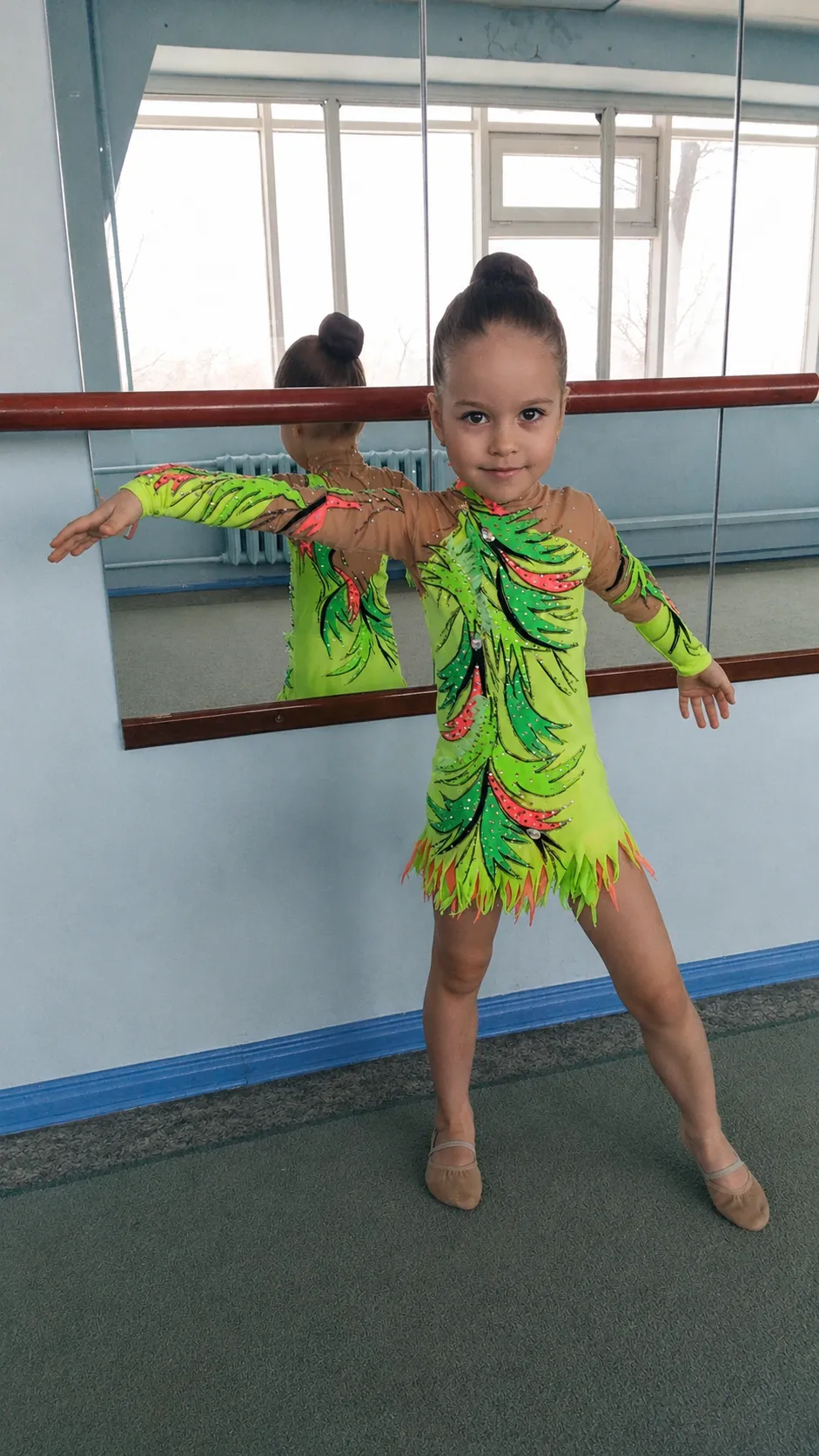
But when we heard the price of those costumes, I was still in shock. There was nothing better to choose from, so we took them.
And when I got home, I went online just to see what existed out there in this world. And I fell down the rabbit hole.
I started studying designs, looking at costumes, saving ideas, figuring out how it all worked. That was right when the real race for jaw-droppingly beautiful costumes was taking off — the more elaborate, the brighter, the more expensive, the better. It hooked me completely. And from that point on, the idea never let go of me.
I have two daughters, and both were in sport. The older one did synchronized swimming, the younger one did rhythmic gymnastics. And I quickly realized: if I kept ordering the kind of costumes I actually liked, I'd go broke. And settling for "whatever we can afford" just isn't who I am.
And I quickly realized: if I kept ordering the kind of costumes I actually liked, I'd go broke.

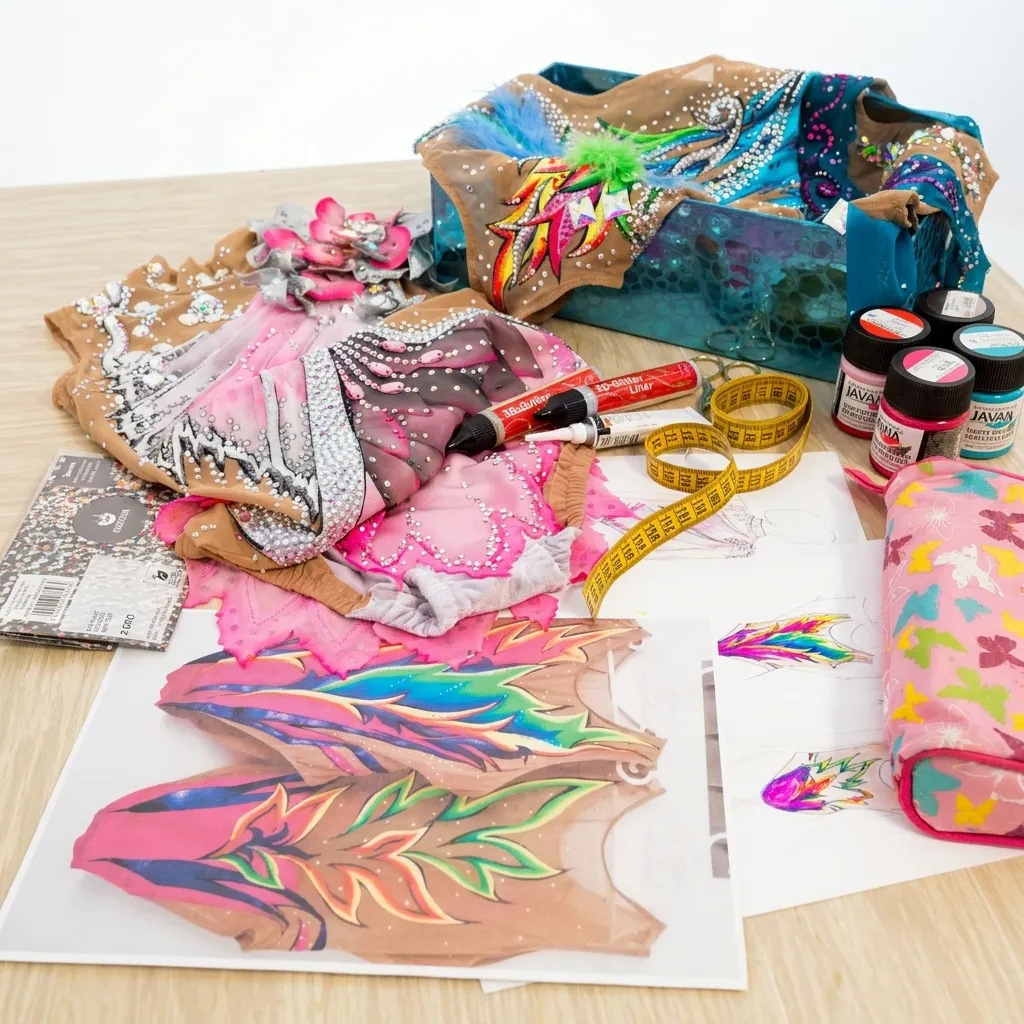
I didn't even own a sewing machine at the time. I borrowed one from a friend and dug in. I devoured pretty much every bit of literature I could find, watched every tutorial I could get my hands on, and that was it — I was off. I was so full of ideas I could barely sleep properly. I carried a little notebook everywhere and was constantly sketching.
I was so full of ideas I could barely sleep properly.
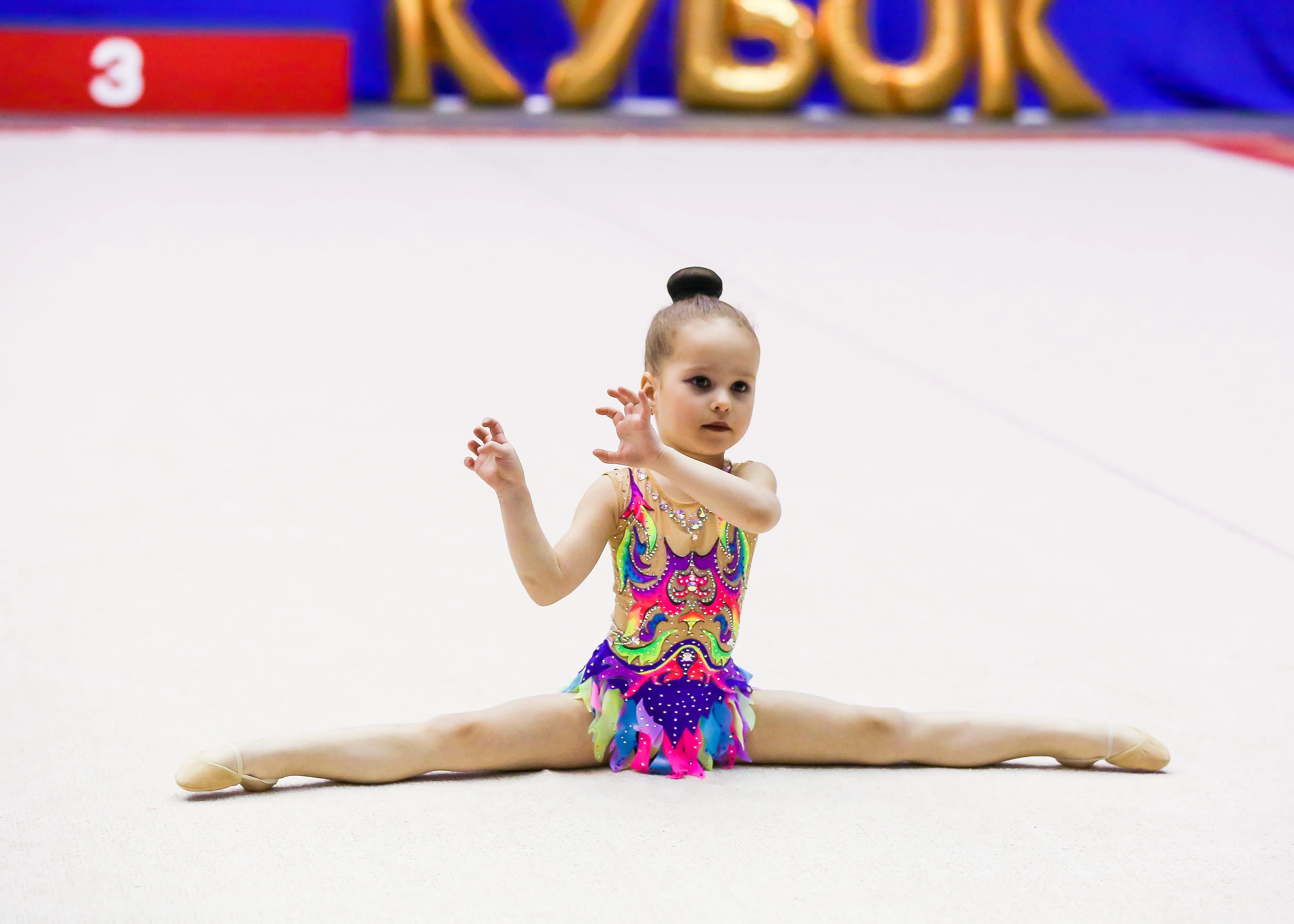
For her first away competition as an individual — in Krasnodar — my little girl wore a leotard I'd made myself.
Looking back now, I can see it came out a bit awkward. But at the time, it felt like a huge step for me. On that one leotard, I tried out everything I'd managed to find, learn, and understand — techniques, finishing methods, all kinds of experiments. I wanted to test it all at once.
It wasn't perfect. But it was mine. And I think that's the moment I was completely hooked, for good.
I'd drawn my whole life, and with costumes, what grabbed me wasn't just the sewing. What grabbed me was the chance to dream up a look and then make it real. You could take an idea straight out of your head — a color, a line, a print, a mood — and bring it to life in fabric. And I always had an endless supply of ideas.
What grabbed me was the chance to dream up a look and then make it real.
From there, it just kept going. The other moms in our group saw the leotard I'd made and almost immediately started asking if I could make one for their girls too.
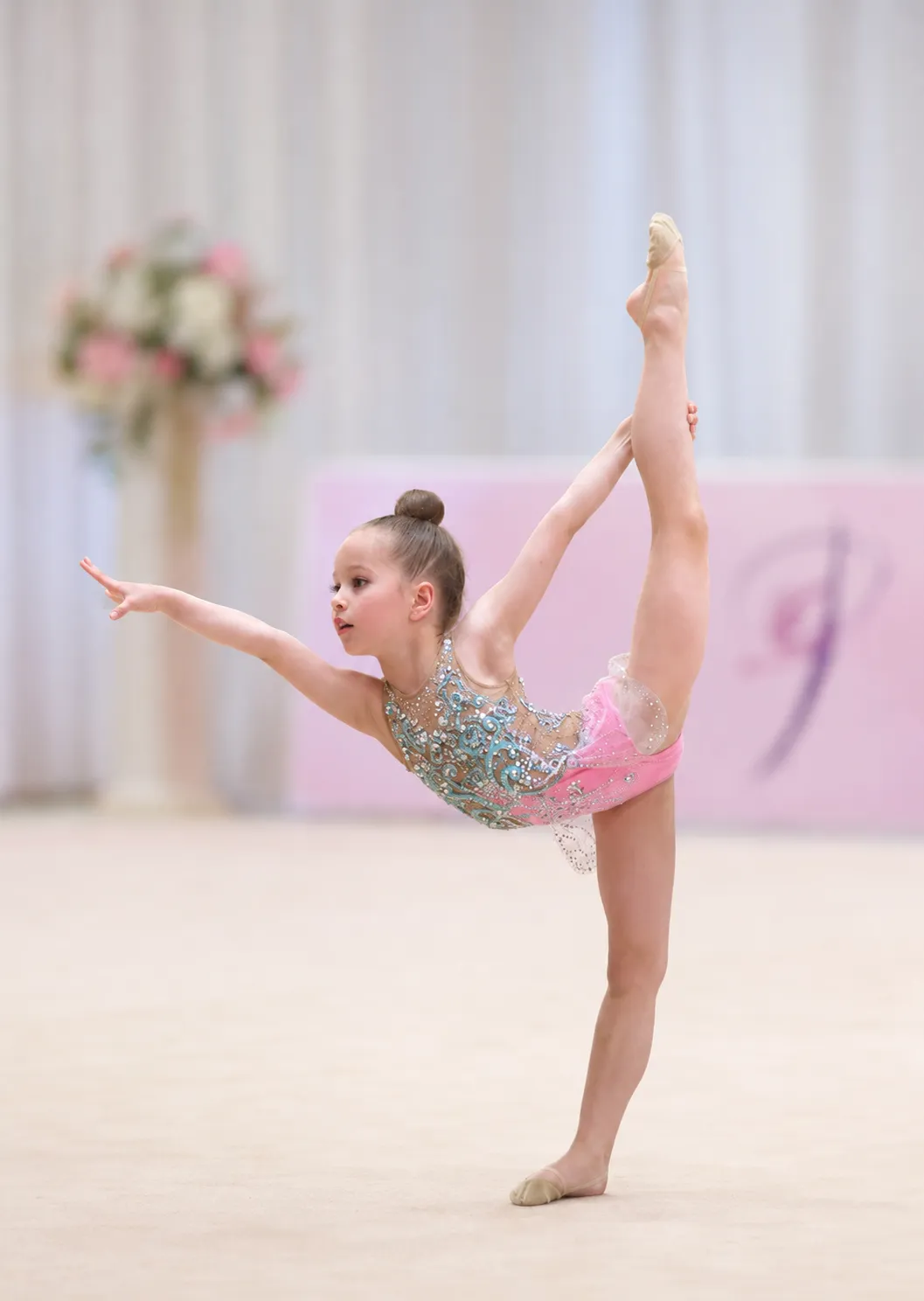
And honestly, that made me happy. At that point, I wasn't thinking about it as work or income at all. I just genuinely loved doing it. I loved coming up with ideas, trying things out, finding solutions, seeing the result come together.
By then, gymnastics had become more than just a nice activity for our kids — it had become part of our whole family's life. Any parent of an athlete will know exactly what I mean. And it all started thanks to our first coach. She's the one who made us fall in love with this sport.
Then came the move. Immigration. A new country. A new life.
Slovenia is my home now. And when it came time to figure out what I'd do next, I didn't hesitate for a second.
That's when my professional path really began. I realized that if I wanted to take this seriously, online videos wouldn't be enough. I needed to actually learn — properly. Go deeper. Understand construction, fit, fabrics, technique, and where things tend to go wrong.
And off I went again — learning, practicing, picking up new skills, getting into the craft from the inside out. It took real effort.
My main clients came from the new country. Which meant, on top of everything else, I had to learn the language — if only to actually understand what a client wanted. Because sewing is one thing. But truly hearing someone, understanding their idea, and turning it into exactly what they had pictured — that's something else entirely.
Because sewing is one thing. But truly hearing someone and turning their idea into exactly what they pictured — that's something else entirely.
Clients came along fairly quickly. To this day, I don't know whether it was luck or whether my work genuinely caught people's eye right away. Probably a bit of both.
But there was always a separate, special place for my own daughters' costumes. When you sew for a client, you're bringing someone else's idea to life. You have to factor in their preferences, their taste, their budget, expectations, deadlines. With my own girls, I could really let go.
I could make things I'd never seen before. Experiment with color, lines, decoration, the whole look. Sometimes I took risks, sometimes things didn't work out the first time — but that's exactly where I learned the most.
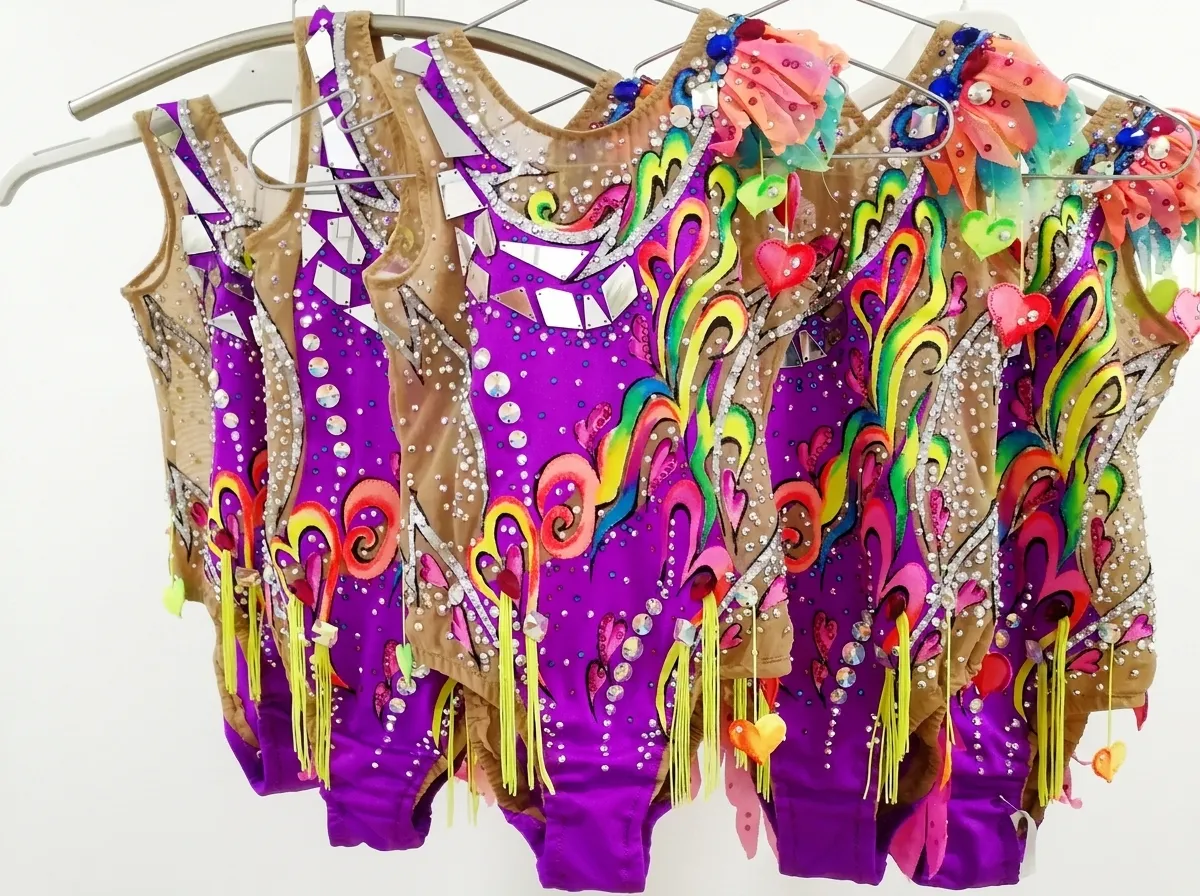
Then Instagram did its thing. My work started getting shared — shown around, sent to friends, saved for later. Orders began coming in from all over Europe.

Eventually my girls grew up and moved on from sport. But my heart is still there.
I keep developing, learning, looking for new solutions. Honestly, I'm just not very good at stopping once something has truly grabbed me.
So at some point, I decided to take it to the next level and automate part of the process I'd been doing by hand for years. That's how AROA came to be.
I still have so many plans. I really hope I'll have the energy and the drive to make them all happen.
And with your support, it really is easier. Your messages, your feedback, your warm words — they motivate me and help me keep moving forward.